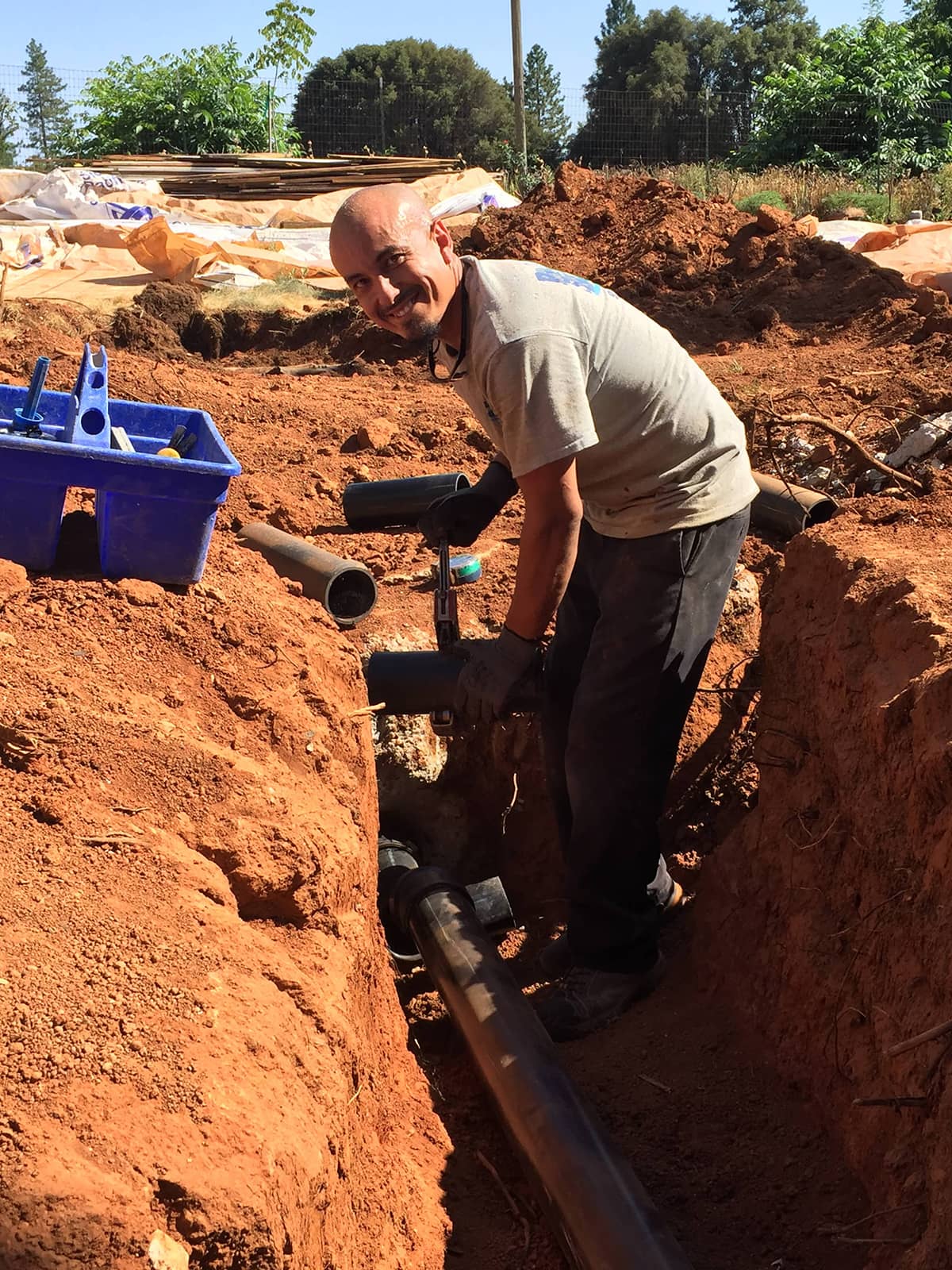




Even mild Sacramento winters can catch homeowners off guard, leaving pipes vulnerable to sudden overnight freezes that lead to costly plumbing damage. Winter plumbing maintenance isn’t just for colder states; it’s a smart, preventive strategy that protects your home’s plumbing system and helps you avoid emergency repairs during unexpected cold snaps in Northern California.
This comprehensive winter plumbing maintenance checklist is tailored specifically for Sacramento homes, detailing practical steps to insulate exposed pipes, winterize outdoor faucets, and boost water heater efficiency. Up next, we’ll cover the essential actions every homeowner should take before temperatures dip, ensuring your plumbing stays protected and your home remains worry-free all season long.
Key Takeaways
- Start fall plumbing maintenance early to protect Sacramento homes before sudden overnight freezes strike.
- Insulate exposed pipes in garages, attics, and crawl spaces with foam sleeves or heat tape to prevent frozen pipes in Sacramento.
- Winterize outdoor faucets and irrigation systems by draining lines, shutting off spigots, and adding insulated faucet covers.
- Flush 1–2 gallons from your water heater and insulate the first 6 feet of hot and cold lines to boost winter efficiency.
- Seal exterior gaps and access points with caulk or foam to block drafts and safeguard interior plumbing lines.
- Keep cabinet doors open and let faucets drip during cold snaps to maintain water flow and prevent frozen lines.
Your Sacramento Winter Plumbing Maintenance Guide
Sacramento’s winters can feel mild until an overnight cold snap hits. That’s why winter plumbing maintenance should start in the fall when you have time to prepare without stress. A proactive approach protects pipes, prevents leaks, and keeps hot water dependable when you need it most. This guide delivers Sacramento plumbing maintenance steps tailored to local conditions, focusing on prevention over emergency fixes. Use the checklists and tables to plan your season, reduce surprises, and keep your home’s plumbing running efficiently all winter.
Don’t Wait for the Freeze: Why Sacramento Homes Still Need Winter Prep
Even if freezes are brief and infrequent, a single cold night can still cause hose bibs, irrigation lines, or exposed pipes to crack. Homes with crawl spaces, garages, or additions are especially vulnerable after a cold snap. Winter prep is about removing weak links like uninsulated pipes or drafty openings before temperatures dip. A little planning limits water damage risks, protects your water heater’s performance, and lowers utility costs. If you want ongoing seasonal plumbing tips, check out our seasonal plumbing maintenance blog for ideas you can implement month by month.
Start with Fall Plumbing Prep: Your Seasonal Advantage for Winter Plumbing Maintenance
Fall is your seasonal advantage for winter plumbing maintenance. Cooler days make outdoor work easier, and Sacramento plumbers have better availability before the first freeze. Use this window to insulate vulnerable pipes, flush sediment from the water heater, and shut down irrigation properly. Start early, and winter becomes routine instead of reactive.
Take Advantage of Sacramento’s Fall Temperatures
The best time for plumbing winterization is when days are cool and dry but not yet cold. Scheduling service is easier, and materials like pipe insulation are widely available before demand spikes. Start with your exterior: insulate hose bibs, protect exposed plumbing lines, and plan drainage for irrigation. For a deeper fall playbook, use our detailed fall plumbing preparation guide to front-load the work before cold snap preparation becomes urgent.
Beginner Checklist: What Every Sacramento Homeowner Should Do First
- Test and insulate hose bibs; add insulated covers to prevent frozen pipes in Sacramento homes.
- Insulate pipes in the garage, crawl spaces, and attic; focus on bends and areas near exterior walls.
- Drain and store garden hoses; keep spigots capped with protective covers.
- Flush 1–2 gallons of water heater sediment and check the TPR valve for safe operation.
- Inspect weatherstripping around garage and crawl-space doors.
Must-Do #1 for Winter Plumbing Maintenance: Insulate Exposed Pipes in All the Right Places
Insulating pipes is one of the highest ROI steps for long-term freeze protection. Focus on Sacramento overnight freeze zones: garages, crawl spaces, attics, exterior walls, and areas near foundation vents. Foam sleeves and fiberglass wraps are inexpensive, easy to install, and immediately reduce heat loss and freeze risk. If you notice sections of corroded or undersized piping during this step, bookmark this complete guide to home repiping to plan plumbing upgrades without surprises.
Complete guide to home repiping
Know Your Freeze Zone Hotspots
Where do pipes freeze fastest in Sacramento? Start with hose bib feeds, irrigation manifolds, unheated garages, laundry lines near exterior walls, and any plumbing in ventilated crawl spaces. Pay special attention to elbows, tees, and valves since fittings have more metal mass and shed heat faster. For how to protect pipes from freezing in Sacramento, prioritize these locations first, then expand insulation to longer runs.
Choosing the Right Insulation for Mild Winters
In mild winter climates, closed-cell foam sleeves with sealed seams are often enough for straight runs. Use fiberglass wrap with a vapor barrier near cold air sources or where pipes are larger than standard foam sizes. In areas with wind exposure, add tape seals and pipe covers to keep insulation snug and dry. This layered approach provides dependable freeze protection without overbuilding.
Budget vs. Premium Protection: What’s Worth Investing In
| Insulation type | Upfront cost | DIY difficulty | Freeze protection | Best for |
|---|---|---|---|---|
| Foam pipe sleeves (3/8–1 in) | Low | Easy | Good for short cold snaps | Straight indoor runs, garages |
| Fiberglass wrap with vapor barrier | Low–Medium | Moderate | Better in drafts | Crawl spaces, near vents |
| Self-sealing elastomeric foam | Medium | Easy | Good plus moisture resistant | Outdoor runs under cover |
| Heat cable with foam sleeve | Medium–High | Moderate | Excellent with power | Critical short runs, hose bib feeds |
| Insulated faucet covers | Low | Easy | Targeted at fixtures | Exterior hose bibs, utility spigots |
Must-Do #2: Winterize Outdoor Faucets & Irrigation Systems
Outdoor plumbing is the first to feel the cold air. To winterize outdoor faucets, shut off the upstream valve if available, open the faucet to drain, and install an insulated cover. For irrigation system winterizing, turn off the supply, open the manifold’s test cocks, and use the manual drain setting or low-pressure blowout (where applicable) to clear lines. If valves are sticking or zones won’t drain, book professional irrigation repair services to prevent cracked fittings midwinter.
Professional irrigation repair services
Don’t Skip This: Faucets, Hoses & Sprinklers That Could Freeze Fast
- Disconnect and drain all hoses; store indoors.
- Drain hose bibs: close interior shutoff, open the exterior faucet, and leave it slightly open.
- Cover exposed hose bibs with insulated covers.
- Open irrigation test cocks and drain valves; leave valve boxes dry and clean.
- Protect backflow preventers with insulated jackets designed for Sacramento homes.
How to Winterize Like a Pro (Without the Price Tag)
Label every exterior shutoff so anyone in the home can act quickly. Add quick-drain tees at hose bib feeds to empty lines in seconds. Use foam covers plus a short sleeve of insulation around supply lines inside the wall or crawl space. Take photos of your manifold and zone valves before closing them so spring startup is simple and error-free.
Must-Do #3: Maximize Water Heater Efficiency Before the Chill Hits
Water heater winter maintenance improves comfort and safety. Flush a few gallons to reduce sediment, test the TPR valve, and inspect venting and drip pans. California requires permits for water heater installations, so confirm that yours was installed to current code and clearances, and schedule repairs if anything looks off. If you’re considering an upgrade, tankless models can be 8–34% more efficient than conventional tanks, which can lower energy use in winter when demand is higher.
- Verify permit and compliance; check installation details and keep records.
- Insulate the first 6 feet of hot and cold lines above the heater.
- Set temperature to 120°F for safety and efficiency.
- If you notice rust, moisture, or combustion issues, schedule a professional plumbing inspection.
Schedule a plumbing inspection
Citations: California water heater permitting is based on the adopted California Plumbing Code managed by the California Building Standards Commission; see the California Plumbing Code access portal for code requirements and updates at the state level: California Building Standards Commission codes portal. For gas water heater clearances and safety provisions, consult the International Code Council’s water heater standards and referenced guidelines: International Code Council water heater clearances. For tankless efficiency ranges, see the U.S. Department of Energy’s consumer guidance: U.S. Department of Energy on tankless efficiency.
Must-Do #4: Seal the Gaps to Lock Out Cold Air
Cold air sneaking through garages, rim joists, and crawl-space vents can chill nearby pipes quickly. Spend two focused hours sealing drafts so your insulation actually works. Use exterior-rated caulk for small cracks, expanding foam around larger penetrations, and weatherstripping on access doors. This freeze protection step also improves overall home comfort and lowers utility bills during a cold snap.
2-hour tools checklist:
- Exterior-grade silicone or polyurethane caulk
- Low-expansion foam for pipe and wire penetrations
- Weatherstripping for garage and crawl-space doors
- Utility knife, caulk gun, rags, and safety glasses
- Flashlight and mirror to inspect tight spaces
Must-Do #5: Handle Overnight Freezes (Even if They’re Rare)
If a cold snap is forecast, act the evening before. Open cabinet doors under sinks on exterior walls, let a pencil-thin stream of water run from the farthest cold tap, and lower garage door drafts with a towel if needed. If pipes freeze, shut off the main water valve first, then thaw pipes slowly with a hair dryer starting from the faucet end. Avoid open flames and call a licensed plumber if you suspect a burst.
Quick Action Kit: What to Keep on Hand
- Foam faucet covers and pipe sleeves
- Heat cable for a vulnerable short run
- Towel and bucket for minor leaks
- Flashlight and infrared thermometer
- Main shutoff key and labeled valve map
Practical Implementation: The Complete Winter Checklist
Use this at-a-glance winter plumbing maintenance calendar to schedule tasks and avoid winter scrambles. For more seasonal detail and plumbing how-tos, browse our seasonal plumbing tips blog and pin key articles for quick reference.
| Timing | Tasks |
|---|---|
| Early fall | Inspect and insulate exposed pipes; drain/store hoses; test hose bib shutoffs; flush 1–2 gallons from the water heater; check and replace anode if nearing end of life; test TPR valve; inspect weatherstripping. |
| Mid fall | Winterize irrigation (shut off, drain lines, protect backflow); install hose bib covers; seal exterior penetrations; add pipe insulation in crawl spaces and garages. |
| Late fall | Verify water heater clearances and venting; set temp to 120°F; insulate first 6 feet of hot/cold lines; label shutoffs; stock Quick Action Kit. |
| Pre-freeze alert | Open sink cabinets on exterior walls; drip farthest cold tap; close crawl-space vents if applicable; check garage drafts; confirm heat is on in vulnerable zones. |
| After a freeze | Inspect for leaks; check hose bibs and irrigation manifolds; reopen valves slowly; schedule repairs if pressure drops or water is discolored. |
| Early spring | Reverse winterization; inspect for damage; plan upgrades like better insulation or targeted heat cable on problem spots. |
Mistakes to Avoid: What Went Wrong for Other Homeowners
- Leaving hoses attached: trapped water in the faucet and hose can freeze, split fittings, and soak wall cavities when it thaws.
- Insulating pipes but not sealing drafts: cold air bypasses insulation at gaps, leading to localized freezing near valves and elbows.
- Skipping water heater checks: sediment buildup reduces hot water output and stresses components just when demand peaks.
- Forgetting irrigation drains: undrained manifolds and backflow devices often crack at the first overnight freeze.
- No shutoff plan: in an emergency, minutes matter; label the main and fixture shutoffs so anyone can react.
Expert Tips from Sacramento Plumbing Pros
Ready to future-proof your winter plumbing maintenance? Focus on upgrades that stretch value across seasons. Consider a high-efficiency or tankless water heater if yours is aging; modern tankless water heating systems can be 8–34% more efficient and deliver unlimited hot water when demand spikes. Many last over 20 years with proper plumbing maintenance, which spreads the investment across more winters. Add smart leak sensors near hose bib feeds, water heater pans, and under-sink traps for early warnings. Finally, document your system: photo your shutoffs and label zones so any family member can execute a cold snap plan.
Citations: For efficiency ranges, see the U.S. Department of Energy’s analysis of demand-type heaters: DOE guidance on tankless water heaters. For typical life expectancy of water heaters compared to other appliances, see the National Association of Home Builders: NAHB appliance life expectancy data. For additional savings benchmarks and qualified product criteria, review ENERGY STAR’s program overview for tankless systems: ENERGY STAR tankless water heaters.
Keeping Sacramento Homes Flowing Smoothly All Winter
A little preparation now means months of peace of mind later. Sacramento’s mild winters can turn unpredictable overnight, making proactive winter plumbing maintenance the difference between small fixes and costly repairs. By insulating exposed pipes, winterizing outdoor faucets and irrigation systems, and tuning up your water heater early, you’re strengthening your home’s first line of defense against freeze damage. Every task on your checklist protects comfort, efficiency, and property value while keeping water systems reliable through sudden cold snaps. Start early in the season, follow through on inspections, and revisit your plan each fall to refine it year after year. Sacramento homeowners who stay ahead of the weather save time, energy, and stress when temperatures dip. Take your next step today; secure your plumbing before winter surprises test your home’s resilience.