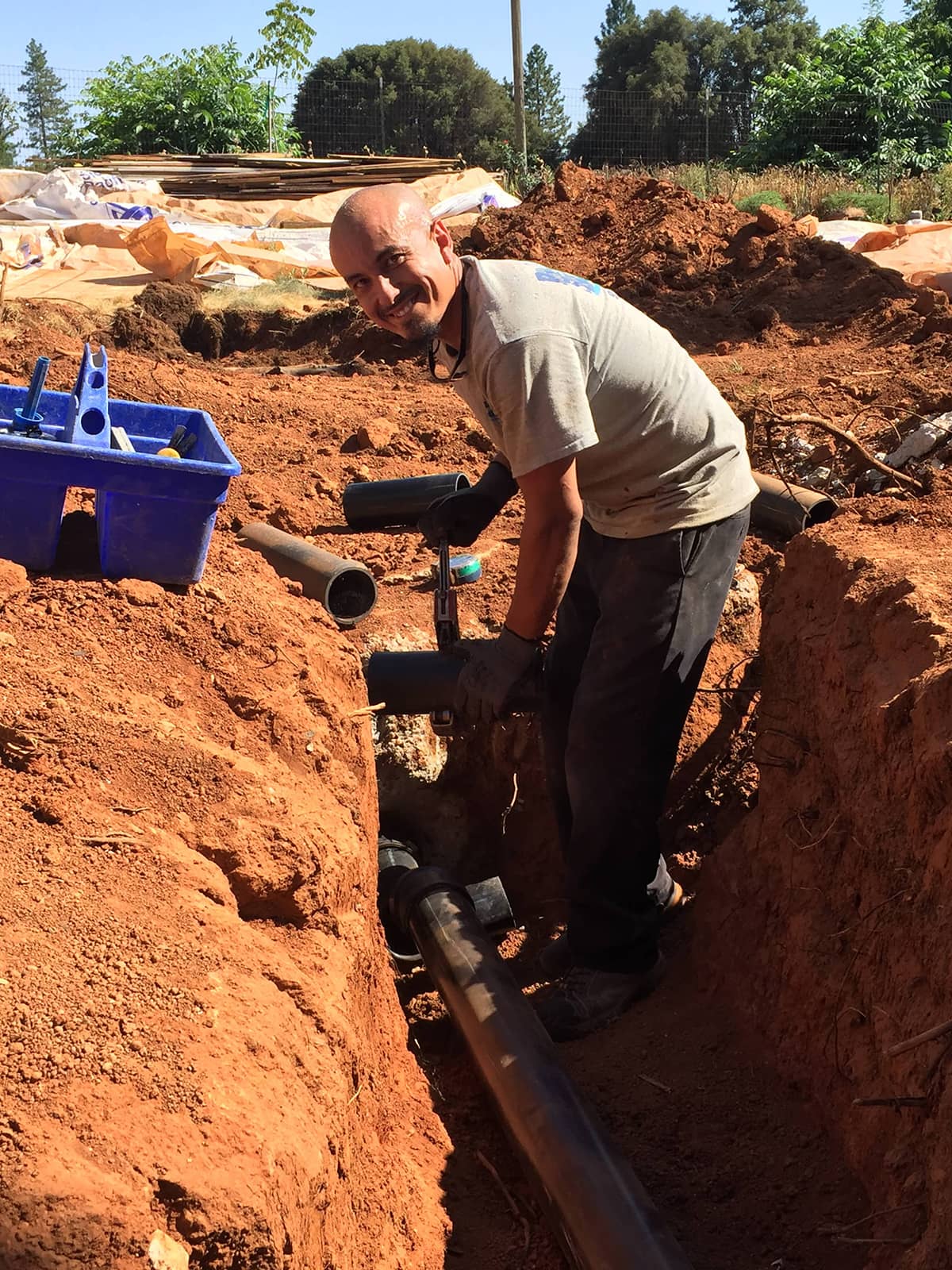




Building a small, functional ADU kitchen that passes inspection can be trickier than it looks. Every drain, vent, and fixture in your ADU kitchen plumbing must meet California’s Uniform Plumbing Code while fitting into a compact space that leaves no room for error. Getting it wrong can mean failed inspections or costly redesigns, but with the right approach, you can balance space efficiency with full compliance.
This guide breaks down the essential ADU kitchen plumbing requirements, including how to design for limited square footage, meet venting and drainage standards, and navigate local permitting in Sacramento. The key takeaways ahead outline the most important code rules and practical strategies to ensure your accessory dwelling unit (ADU) kitchen’s plumbing performs flawlessly from rough-in to final inspection.
Key Takeaways
- Design ADU kitchen plumbing layouts to maximize limited space by grouping fixtures, shortening pipe runs, and planning vent routes early.
- Follow California’s Uniform Plumbing Code (UPC) and Title 24 standards for traps, vents, pressure regulation, and fixture clearances to ensure full compliance.
- Use island vent loops or approved special vents for island sinks to maintain airflow and prevent siphoning when wall venting isn’t possible.
- Incorporate wet-vented systems to save space by sharing vent lines between fixtures while maintaining required pipe sizing and distances.
- Decide whether to tie into the main house plumbing system or install separate water lines based on cost, pressure balance, and Sacramento permit requirements.
- Hire a licensed plumber experienced in ADU kitchen plumbing to ensure code-compliant design, smooth inspections, and long-term system reliability.
Balancing Space and Code: The ADU Plumbing Challenge
Tight footprints make ADU kitchen plumbing uniquely challenging. Short cabinet runs and slab-on-grade floors compress drain-waste-vent (DWV) paths, so every inch of trap-arm, vent rise, and cleanout clearance matters. Unlike full kitchens, California ADU kitchen requirements often push sinks to exterior or island locations where standard wall vents aren’t possible, complicating the drain waste vent system ADU layout. To stay compliant, plan routing early, verify vertical drops and vent paths before framing, and keep fixtures grouped to reduce pipe lengths. In micro-kitchens, even a millimeter-off trap-arm fall or unvented branch can cause slow drains and odors. For help mapping compact DWV routes.
Comparison table: Standard Home vs. ADU Kitchen Plumbing Challenges
| Factor | Standard Home | ADU Kitchen |
|---|---|---|
| Space for DWV | Abundant wall or joist space | Minimal chases; compact stud bays |
| Venting | Straight vertical wall vents | Loop vents, offsets, limited turns |
| Trap-arm options | Multiple wall bays | One bay; short trap arms |
| Cleanout access | Utility room or crawl | Cabinet toe-kick, exterior wall |
| Construction type | Crawl or basement typical | Slab-on-grade common |
The California Plumbing Codes Every ADU Must Follow
Your ADU kitchen plumbing code foundation is the California Plumbing Code (CPC), adopted under Title 24. Key items designers confirm include trap-arm limits and trap sizing, vent sizing by fixture units, and where vents terminate through the roof. Supply-side rules set standards for kitchen fixtures, accessible shutoff valves, and pressure regulation when static pressure is high. Use the state edition of the Uniform Plumbing Code California and local amendments for final details.
Short compliance checklist
- Confirm trap, trap-arm, and vent sizes on plans.
- Show vent termination height and clearances on the roof plan.
- Specify fixture flow rates and accessible control valves.
- Add a PRV or expansion device if static pressure exceeds limits.
Authoritative references: California Plumbing Code (2025) and sections for traps, vents, wet venting, and special vents are published by IAPMO in the 2025 CPC ePub, and Title 24 publication access is listed under the California Building Standards Commission’s Title 24 Codes page.
Smart Water Solutions: Tying Into Existing Systems or Going Solo
For most ADUs, tying the kitchen’s cold and hot water branches into the home’s main line saves money and time, provided pressure and fixture counts remain within sizing limits. Use isolation valves at the ADU branch so repairs don’t shut down the main house, and add a PRV if static pressure is excessive per code. Dedicated services deliver cleaner billing and future flexibility but add trenching, meter, and tap fees. In Sacramento, detached ADUs may connect to the primary dwelling’s domestic water service or choose a separate meter with higher upfront costs; coordinate with the Department of Utilities early for approvals.
Shared vs. dedicated systems
| Category | Shared vs. Dedicated (at-a-glance) |
|---|---|
| Cost | Shared is the lowest first cost; dedicated adds tap, meter, and encroachment fees |
| Performance | Shared can need PRV or balancing; dedicated isolates flow and pressure |
| Permitting | Shared is simpler; dedicated requires utility approvals and inspections |
Venting and Drainage: The Core of ADU Plumbing
Space drives DWV strategy in compact ADU kitchen plumbing systems. Island sink vent loops and selective wet-vented runs protect trap seals while saving wall space. Keep drain slopes consistent, avoid flat spots, and size vents to the fixture-unit load; terminate vents with proper clearances above the roof to maintain airflow and keep sewer gas out. Where sinks sit in islands or peninsulas, loop vents or a code-approved special vent are required; for shared vents in a wet-vented system, match sizing and distances to maintain cross-sectional area. Careful detailing reduces noise, backups, and rework. For layout heuristics in small kitchens.
Mini venting inspection items
- Verify trap-arm grade and distance to vent.
- Confirm vent loop rise and return sizing at the island.
- Check vent penetration clearances and caps at the roof.
- Test DWV for leaks and proper airflow before concealment.
How to Vent an ADU Kitchen Sink the Right Way
To optimize how to vent an ADU kitchen sink, keep the trap-arm short and graded consistently to the drain, with the vent rising vertically within the allowed distance from the trap weir. Size the vent to at least the code minimum for a kitchen sink and tie it into the vent system above the flood rim of connected fixtures. Avoid flat venting in horizontal runs below the flood rim. Where walls are packed, use a vertical vent offset with long-radius fittings to preserve airflow. Mark vent sizes and connection elevations on plans to speed approval under the ADU kitchen plumbing code.
Island Sink Vent Loop Setup
An island sink vent loop routes the vent down, across the cabinet toe-kick, and up to reconnect with the vent system, creating a loop that protects the trap seal without a nearby wall. Position the loop’s vertical rise as high as feasible under the counter, keep fittings sweep-grade, and size components per the island sink vent loop ADU California code provisions. Inspectors typically look for clean, accessible routing, correct pipe sizes, and a clear revent connection above flood rims. Photograph the loop before concealment and label it as “special venting” on the plumbing plan to streamline kitchen sink venting approvals.
Space-Savvy Wet-Vented Systems
When walls are crowded, a wet-vented system can allow the sink to share a vented drain with a nearby bathroom group, minimizing separate vent runs while preserving airflow. Keep fixture sequencing consistent so higher flows don’t wash out traps, and size the wet vent to carry both drainage and venting for the combined load. Maintain distances and vertical alignment per the code to avoid cross-siphon. In very small footprints, align the drain waste vent system ADU layout so branch fixtures enter from the top or side with long-radius fittings, and provide cleanouts where direction changes exceed code allowances.
Permits, Plan Submittals, and Inspections in Sacramento
Successful ADU kitchens begin with permit-ready plumbing drawings that show DWV risers, trap-arm distances, vent terminations, hot and cold routing, valve locations, and appliance specs. After permit issuance, inspections proceed in stages; plumbing rough-in occurs before concealment to test DWV and water lines, followed by insulation and drywall checks and a final to verify fixtures, valves, and operation. Schedule via the City’s online portal or phone system; requests placed before the daily cutoff typically book the next workday. Keep an inspection log, correction notices, and updated plans on-site to avoid delays.
Real-World Budgeting: Costs and Cost-Saving Moves
ADU kitchen plumbing cost Sacramento budgets vary by unit type, site access, and tie-in strategy. Conversions with short runs and shared services typically come in lowest; detached, slab-on-grade builds with long trenching and separate meters trend higher. Control costs by finalizing fixture lists early, grouping the kitchen near baths to shorten drains and vents, and using standard-depth bases to preserve trap-arm space. Order long-lead valves and fixtures before rough-in to prevent downtime. Value-engineer without cutting compliance: preserve slope, vent sizing, and cleanout access. For full-scope ADU plumbing Sacramento planning, align your schedule with plan-check timelines and utility coordination.
ADU size vs. planning estimate
| ADU Type | Typical Kitchen Plumbing Scope |
|---|---|
| Garage conversion (JADU) | Short DWV runs to existing stack; shared water |
| Attached ADU | Moderate runs; shared tie-in with isolation valves |
| Detached ADU | Long trenching; possible new meter and PRV |
Step-by-Step Checklist for a Code-Ready ADU Kitchen
Use this end-to-end guide to meet ADU kitchen plumbing requirements while staying on schedule. For execution, pair it with licensed ADU plumbing services.
Comprehensive checklist
- Predesign: Confirm Title 24 plumbing basis; measure wall or joist space and choose vent strategy (wall, loop, wet vent).
- Planning: Place the sink on an exterior or shared wall when possible; verify trap-arm distances, vent sizes, and cleanout locations on plans.
- Supply design: Size the ADU branch, add isolation valves, and PRV or expansion device if needed; specify faucet and dishwasher air gaps.
- Permitting: Submit DWV isometric, vent termination notes, fixture schedule, and valve or pressure details.
- Rough-in: Pressure test water, test DWV, photograph island loops and wet vents before concealment.
- Final: Set traps, install accessible shutoffs, confirm air gaps, label cleanouts, run leak and noise checks.
Common Mistakes That Delay ADU Approval
Inspection delays often trace to trap-arm overlength, flat venting below flood rims, or missing dishwasher air gaps. Undersized vents, buried cleanouts, and inaccessible shutoffs are close behind. In Sacramento, plan reviewers expect clear vent loop labeling for islands and exact locations for cleanouts in compact cabinets. Quick wins: keep fixture grouping tight, verify vent tie-ins above flood rims, and note PRV or expansion where pressures warrant. If you need layout heuristics for tiny cabinets and toe-kicks.
Top 5 fixable red flags
- Overlong trap-arms without revent
- Flat horizontal vents below flood rims
- No dishwasher air gap at sink
- Hidden or omitted cleanouts
- Missing fixture isolation valves
Expert Tips for a Long-Lasting, Efficient System
Durability and quiet operation pay off in rental ADUs. Use full-port quarter-turn stops at the sink, water hammer arrestors at quick-closing appliances, and long-radius fittings to smooth flow. Insulate hot-water runs to the accessory dwelling unit kitchen sink for faster delivery and reduced waste. Keep vent offsets minimal and accessible; label shutoffs at the ADU branch. For plumbing rough-in ADU noise control, avoid tight bends behind drawers and anchor pipes to prevent rattles. In high-static neighborhoods, pair a code-sized PRV with an expansion tank and set pressures to protect faucets and appliances while maintaining ADU kitchen plumbing efficiency.
Pro-grade materials recommended
- Brass quarter-turn stops and stainless supply lines
- Quiet long-radius DWV fittings and solvent-welded traps
- PRV with matched expansion tank when needed
- No-hub couplings with stainless shields for serviceability
Final Planning Advice: Build Once, Pass the First Time
Start with a code-anchored ADU construction plumbing plan, then lock in fixture locations so DWV and vent routes are direct and testable. Confirm PRV or expansion details, accessible shutoffs, and vent terminations on the drawings to reduce comments. Before rough-in, walk the space and mark cabinet penetrations to protect trap-arm slope and vent rise. At inspection time, have pressure-test results, labeled cleanouts, and air gaps ready. This approach produces a Sacramento ADU inspection-ready kitchen and minimizes rework. If any detail is uncertain, coordinate with your local building official during design review to keep your first inspection on track.
Building Confidence Through Compliance
Designing an accessory dwelling unit brings big possibilities but also strict responsibilities. Mastering ADU kitchen plumbing ensures your project meets California and Sacramento plumbing code requirements the first time, saving both money and momentum. From trap-arm slopes to vent loop elevations, every precise decision protects performance and speeds approval. With current inspections placing greater focus on venting accuracy, shutoff accessibility, and verified pressure control, proactive planning has never been more valuable. Treat your plumbing design as the backbone of a fully functional space and proof of workmanship that investors and tenants can trust. Before the next layout mark or fixture order, building it right the first time doesn’t just meet code—it builds confidence, efficiency, and long-term value into every square foot of your ADU.