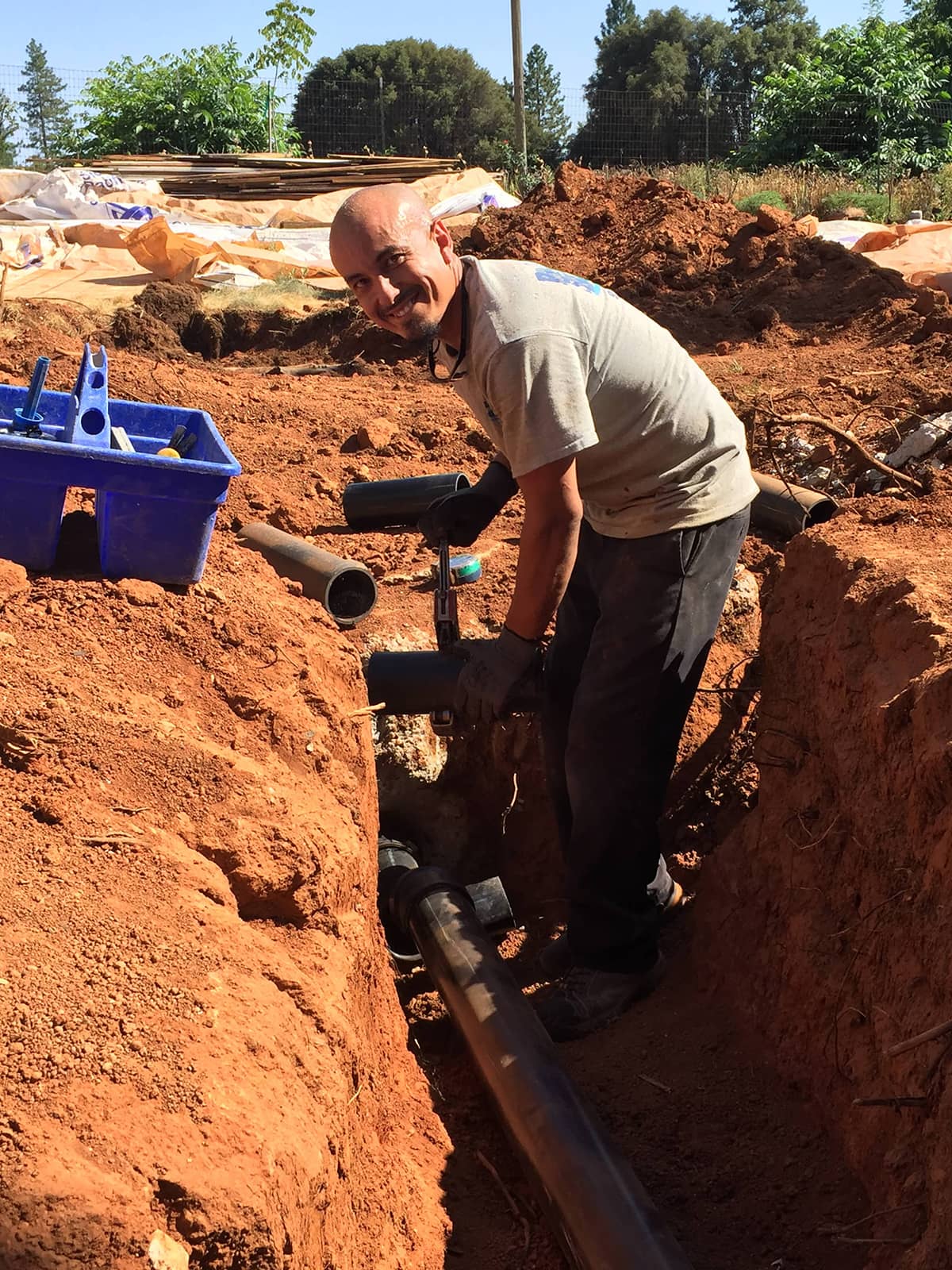




Spring in Sacramento signals more than blooming gardens and longer days – it’s the ideal time for essential spring plumbing maintenance. As the rainy season wraps up, shifting soil, sediment buildup, and sudden water flow changes can quietly strain your home’s plumbing system. Addressing these seasonal effects now helps prevent costly plumbing repairs and ensures your water systems stay reliable throughout the dry months ahead.
This guide outlines the specific maintenance steps Sacramento homeowners should prioritize, from leak inspections to water heater flushing and sump pump testing. The key takeaways below reveal how to keep your plumbing efficient, uncover hidden issues early, and know when a professional plumbing inspection can provide extra peace of mind.
Key Takeaways
- Check for indoor and outdoor leaks each spring to catch pressure-related drips early and cut wasted water before bills rise.
- Flush your water heater to remove winter sediment buildup that reduces heating efficiency and shortens system lifespan.
- Clear gutters, downspouts, and yard drains to prevent foundation stress and slab leaks as Sacramento soils dry out.
- Test sump pumps and backflow preventers before late-spring storms to ensure protection from flooding and contamination.
- Inspect irrigation systems and hose bibs for cracks or root intrusion that can waste water and weaken pressure.
- Schedule a professional spring plumbing maintenance inspection to detect hidden leaks, corrosion, and sewer issues before summer demand.
Complete Spring Plumbing Maintenance Checklist for Sacramento Homes
Sacramento’s spring brings rain recovery followed by rapid dry-outs, which can shift soils, stress buried water lines, and expose hidden leaks. This spring plumbing maintenance guide focuses on local realities: slab and sewer risks from saturated clay, root intrusion after wet months, and drought-minded water savings. Use this high-impact plumbing maintenance checklist to get ahead of common Sacramento plumbing problems after the rainy season. You’ll learn how to spot early issues, protect your foundation, and keep irrigation ready for hot, dry weather. For tailored help, book a local plumbing expert from the Sacramento team you trust at the Sacramento Plumbing Solutions homepage. With smart, seasonal plumbing maintenance, you’ll avoid costly surprises and stay water-wise for summer.
Get Ahead of the Season: Why Spring Plumbing Maintenance Matters in Sacramento
Our region’s challenge isn’t frozen pipes. It’s the fast switch from soaked ground to dry heat, which can shift soil, loosen fittings, and boost root growth that exploits tiny cracks. Proactive seasonal plumbing maintenance prevents leaks, sediment buildup, and low-pressure headaches before they spike your bill or damage finishes. A targeted spring plumbing inspection saves time and money by catching small issues early, conserving water, and protecting your home’s foundation. Schedule a quick seasonal plumbing maintenance tune-up to verify water pressure, drainage, and irrigation settings as we move into longer watering days. When you lock in a spring plumbing inspection now, you gain peace of mind all season long with systems that run efficiently and reliably.
Don’t Skip the Drip Check: Catch Leaks Before They Escalate
Sacramento homes are metered, so every unnoticed drip can inflate your water bill. Catching leaks early is one of the highest-return spring plumbing maintenance tips: it saves water, protects cabinets and subfloors, and prevents mold and damage. Indoors, hidden plumbing leaks often show up as soft drywall, faucet drips, or a running toilet. Outdoors, shifting soils after storms can loosen hose bibs, irrigation unions, and buried lines, creating silent water loss. Prioritize a quick sweep room-by-room and around the yard, then repair or schedule plumbing service to stop small leaks from escalating.
Leak-check mini-checklist:
- Indoors: under-sink P-traps, shutoff valves, toilets, showers, water lines at fridge/dishwasher
- Outdoors: hose bibs, irrigation valves, backflow assembly, visible irrigation laterals, meter box
- Confirm with your water meter: note the dial, wait 30 minutes with no water use, and recheck
External evidence: Household leaks can waste nearly 10,000 gallons per year; fixing them saves water and costs. See the EPA WaterSense guidance in Fix a Leak Week.
Citations: Fix a Leak Week, California Water Code metered water requirements
Indoor Leak Detection Made Simple
Build a quick spring plumbing maintenance routine: start at bathrooms and the kitchen, then laundry and utility spaces. For faucets and showerheads, watch for drips after shutoff. At toilets, add a few drops of food coloring to the tank; color in the bowl without flushing flags a flapper leak. Open sink cabinets and feel along supply lines and traps to check pipes for damage after winter and wet months. Look for bubbling paint, musty smells, or warped toe-kicks that suggest hidden plumbing leaks. Tighten loose connections, replace worn washers, and swap faulty fill valves or flappers before minor seepage turns into major water damage.
Outdoor Leak and Faucet Inspection
Outdoor faucet inspection and hose bib inspection are must-dos after heavy rains. Sacramento’s clay soils expand when wet and contract as they dry, loosening threaded joints and stressing irrigation lines. Walk the yard while zones run and watch for bubbling turf, pooling, or misting at fittings that signal line damage or root intrusion. Inspect vacuum breakers and backflow assemblies for drips. If a zone won’t pressurize or sprinklers sputter, pause irrigation to avoid waste and schedule targeted irrigation repair as part of your spring plumbing maintenance plan.
Flush the Grit Away: Restoring Your Water Heater After Winter
Heavy winter rains stir up sediment that can move through mains and settle in tanks, reducing energy efficiency and causing rumbling, overheating, or premature wear. A focused water heater flush is a smart spring plumbing maintenance task that restores performance and lowers utility usage. DIY-savvy homeowners can safely drain a few gallons to gauge sediment, but full flushes on older or neglected units may be best left to professionals. If you notice popping sounds, tepid showers, or frequent resets, plan a seasonal pipe checkup for the heater and anode rod. Ensure safe procedures and restore hot water reliability before peak summer demand.
DIY vs Pro Flush (at-a-glance):
- DIY partial flush: basic sediment check, extends intervals, minimal tools
- Pro deep flush: heavy sediment removal, anode inspection, safety/valve checks, warranty-minded
Evidence-based tip: The U.S. Department of Energy recommends periodic draining/flushing to remove sediment and advises shutting off gas/electricity before service. See the Energy Saver water heater maintenance guide.
Citation: U.S. DOE Energy Saver: Water Heater Maintenance
Why Sacramento Homes Face Extra Sediment in Spring
Storm runoff and distribution system disturbances can push fine grit into tanks. As this sediment settles, it insulates the burner or elements, forcing longer heat cycles and uneven temperatures. In Sacramento, spring plumbing maintenance often starts with a quick drain-and-inspect to verify sediment load, then a full flush if the discharge is cloudy or sandy. Addressing sediment now prevents noisy operation, temperature swings, and premature component wear during heavy summer use.
DIY Water Heater Flush or Call a Pro?
DIY steps: turn off power/fuel and cold inlet, attach a hose to the drain, open a hot tap for air, then drain a few gallons into a bucket until clearer. If water stays gritty, scale is heavy, or the valve sticks, call a licensed plumber. Choose professional water heater maintenance if you have an older tank, evidence of leaks, a stubborn drain valve, or recirculation components. As part of spring plumbing maintenance, pros can replace aging anodes, test pressure relief valves, and confirm safe relight to protect efficiency and warranty compliance.
Keep Water Flowing Smoothly: Gutters, Drains, and Sewer Lines
After saturated months, pooled water near foundations and slow drains are warning signs. Clear gutters and downspouts to steer runoff away from the slab, then run a quick drain cleaning check: sinks, tubs, and floor drains should move quickly without gurgles. Outside, look for soggy patches along your sewer lateral that suggest infiltration or breaks. Root growth after rains often targets small cracks, leading to partial blockages, odors, and backups. Build spring plumbing maintenance into your yard cleanup so drainage stays predictable as dust and debris increase heading into summer.
Top clogged-line warning signs:
- Slow drains, gurgling sounds, or recurring clogs
- Foul odors from floor drains or cleanouts
- Toilet bubbles when other fixtures drain
- Lawn patches that stay wet without irrigation
Local insight: Early sewer blockage indicators like slow drains and gurgling are common; tree root intrusion is a frequent culprit after wet seasons. See the Sacramento Area Sewer District’s guidance.
Citation: Sacramento Area Sewer District: Sewer Backups and Tree Roots
Clear Your Gutters and Downspouts Before the Dusty Months
Neglected gutters overflow, sending water down exterior walls and pooling near the slab. As part of spring plumbing maintenance, clean gutters, extend downspouts 4–6 feet, and verify splash blocks direct water away. In our expansive clay, repeated pooling can stress foundations and encourage cracks that later admit roots or moisture to crawl spaces. Make gutter checks a recurring habit every spring and after major wind events to keep stormwater moving safely off-site.
Don’t Ignore Slow Drains or Gurgling Sounds
Post-rain line obstructions often start quietly. If you hear gurgles, smell sewer gas, or notice a single slow drain becoming a whole-house issue, act before a backup. Root intrusion thrives in tiny defects and accelerates after wet months. Prioritize an assessment if you have mature trees near the lateral. Sacramento Plumbing Solutions can inspect with a camera, locate intrusions, and recommend targeted drain cleaning or repairs for effective sewer backup prevention.
Test Before the Storm: Sump Pumps and Backflow Devices
Late-spring storms can still deliver intense bursts. A quick sump pump test and backflow preventer check belong in every spring plumbing inspection. Sump systems protect crawl spaces and basements from sudden inundation, while backflow assemblies shield your drinking water from contamination if pressure reverses. Test both early, well before forecasted rain, so repairs don’t compete with emergencies. If you’re unsure about device age or past service, schedule seasonal plumbing maintenance with a certified plumbing professional to confirm operation and compliance.
Sump testing mini-checklist:
- Verify power and GFCI; inspect cord and outlet
- Lift the float or add water to confirm automatic start and discharge
- Check discharge line for clogs, freezing risk is low here but debris isn’t
- Clean the pit; test alarm/battery backup if installed
Quick Function Test You Can Do Yourself
To test sump operation before storms, add water to the pit to raise the float and confirm the pump turns on and discharges outdoors away from the foundation. Listen for smooth run sounds and watch the water level drop quickly. If the motor hums without pumping, trips the breaker, or short-cycles, unplug and call for help as part of your spring plumbing maintenance plan. Testing monthly in wet seasons and before major forecasts keeps surprises at bay.
Citation: Zoeller Pump Company: How to Test Your Sump Pump
Backflow Preventer Check and Maintenance
A functioning backflow assembly is essential to protect potable water when system pressures fluctuate. Sacramento-area devices are typically subject to periodic testing by certified testers under California Title 17 regulations; many jurisdictions require annual checks. Look for damage, leaks at test cocks, or missing caps. If you’re unsure of your device’s status, book a professional test during spring plumbing maintenance to ensure compliance and safety.
Citation: CA State Water Resources Control Board: Cross-Connection Control and Backflow Prevention
Pressure Problems? How to Fix Inconsistent Flow
Spring pressure issues often trace to sediment buildup, aging PRVs, or partial clogs. Tackle them in tiers:
- Basic DIY: Clean faucet aerators and showerheads, check angle-stop valves are fully open, and perform a quick water pressure check with a hose-bib gauge.
- Intermediate: Test pressure at multiple fixtures; if all are low, suspect a failing pressure-reducing valve or sediment in the main. If one room is low, look for localized valves or kinks.
- Advanced/Pro: If pressure swings when appliances run, you may need PRV replacement, line flushing, or targeted drain cleaning. Corrosion in galvanized lines will continue narrowing flow; plan upgrades strategically.
Fold these steps into spring plumbing maintenance to restore consistent water flow and protect appliances ahead of summer demand.
Sacramento Garden Ready: Inspect Outdoor Irrigation and Hose Bibs
As watering days return, verify that hose bibs and irrigation systems run cleanly and comply with Sacramento’s summer watering rules. Soil movement can crack laterals and loosen fittings, wasting water and undermining pressure. Walk each irrigation zone: look for geysers, soggy spots, popping heads, and uneven spray. Then set a water-smart schedule, adjust for shade versus sun, and confirm backflow assembly integrity. This is a high-impact spring plumbing checklist item that protects your landscape and utility bills.
DIY vs Pro Irrigation Prep:
- DIY: Replace broken nozzles, tighten unions, correct head height, set controller
- Pro: Repair buried lateral breaks, diagnose low-pressure zones, audit coverage, test backflow
Prepare Your Irrigation for Dry Months
Begin with visible damage from winter rains and soil shift: cracked risers, leaning heads, or broken drip fittings. Run short test cycles at dawn to spot misting and overspray. As part of spring plumbing maintenance tips, correct head alignment and trim vegetation that blocks spray. Replace clogged filters and flush drip zones to clear grit. Small fixes now prevent big water bills when temperatures rise.
Stop Wasting Water and Money
If a zone won’t pressurize, heads barely pop, or spray is uneven, you likely have buried leaks or pressure issues. Use a simple bucket test to gauge output and compare zones. Listen for hissing at valves and watch for air in lines at startup. For stubborn problems, schedule an irrigation inspection Sacramento homeowners trust to combine leak detection with smart controller tuning as part of your broader spring plumbing maintenance plan.
Small Signs, Big Damage: When to Call a Professional Inspection
Some plumbing issues point to deeper risks: warm slab spots, persistent musty odors, recurring backups, discolored water, or rapid pressure swings. Sacramento’s expansive soils and mature trees make slab leaks, root-clogged laterals, and pipe corrosion more likely as seasons shift. If you notice sudden spikes in your water bill, damp baseboards, or multiple slow drains, it’s time for a spring plumbing inspection. A licensed plumbing professional can run a camera through lines, perform pressure and dye tests, and create a prioritized repair plan. Preventive service now outperforms emergency repairs later, turning spring plumbing maintenance into year-round savings.
Pro Tips from Sacramento Plumbing Experts
Adopt a three-tier maintenance rhythm:
- Spring: leaks, water heater flush, drain cleaning checks, irrigation tune-up
- Mid-summer: pressure verification, sprinkler audit, fixture aerator cleaning
- Pre-fall: gutter cleaning, root control planning, seasonal pipe checkup, and valve exercises
Expert spring plumbing maintenance tips:
- Fix small drips immediately to avoid mold and warped finishes
- Install pressure gauges at hose bibs for quick diagnostics
- Use enzyme-based cleaners monthly to discourage organic buildup
- Map shutoff valves and label them for fast response
Troubleshooting checklist:
- Quick fixes: tighten packing nuts, replace flappers/aerators, clean P-traps
- Call a plumber: recurring clogs, sewer odors, hot water recovery problems, slab-warm spots, PRV failures
Quick Reference: Sacramento Spring Plumbing Maintenance Checklist
| Task | When | DIY or Pro | Notes |
|---|---|---|---|
| Whole-home leak check | Early spring | DIY first | Meter read, toilets, faucets, cabinets |
| Water heater flush | Spring | DIY/Pro | Partial DIY; heavy sediment needs pro |
| Gutter/downspout clearing | Spring + after storms | DIY | Prevent pooling near slab |
| Sewer/drain assessment | If slow/gurgling | Pro | Camera and root control |
| Sump pump test | Before storms | DIY first | Test with added water |
| Backflow test | Annually | Pro | Certified tester verification |
| Irrigation tune-up | Spring | DIY/Pro | Replace heads, fix leaks, set schedule |
Keep this spring plumbing maintenance checklist handy to plan seasonal plumbing maintenance efficiently.
Wrap-Up: Your Sacramento Spring Plumbing Game Plan
Sacramento’s spring is your moment to reset: stop leaks, flush sediment, confirm drainage, and ready irrigation before summer heat and watering rules kick in. A focused plan turns spring plumbing maintenance into lower bills, steadier pressure, and fewer emergencies. Prioritize a spring plumbing inspection if you’ve noticed slow drains, noisy heaters, or irrigation pressure issues. For a seamless start to the season, schedule your visit now so you can enjoy a dry foundation, clear drains, and efficient hot water all summer. Ready when you are, our local team is here to help Sacramento homes thrive with smart, timely maintenance.
Ready Your Home for a Trouble-Free Season
Sacramento’s unpredictable shift from soggy soil to dry heat makes this the ideal moment to protect your plumbing investment. Smart spring plumbing maintenance strengthens your home against costly leaks, foundation stress, and water waste before summer demand surges. By flushing sediment, tightening connections, and testing key systems, you secure efficient performance when temperatures climb. Scheduling a professional plumbing inspection now ensures every system runs cleanly and compliantly throughout the dry months ahead. Staying proactive today spares you from emergency calls tomorrow and keeps your household running smoothly. Take the next step toward a worry-free season by booking your spring plumbing inspection with Sacramento Plumbing Solutions and enjoy the confidence that comes with a well-prepared home built for every Sacramento summer.