

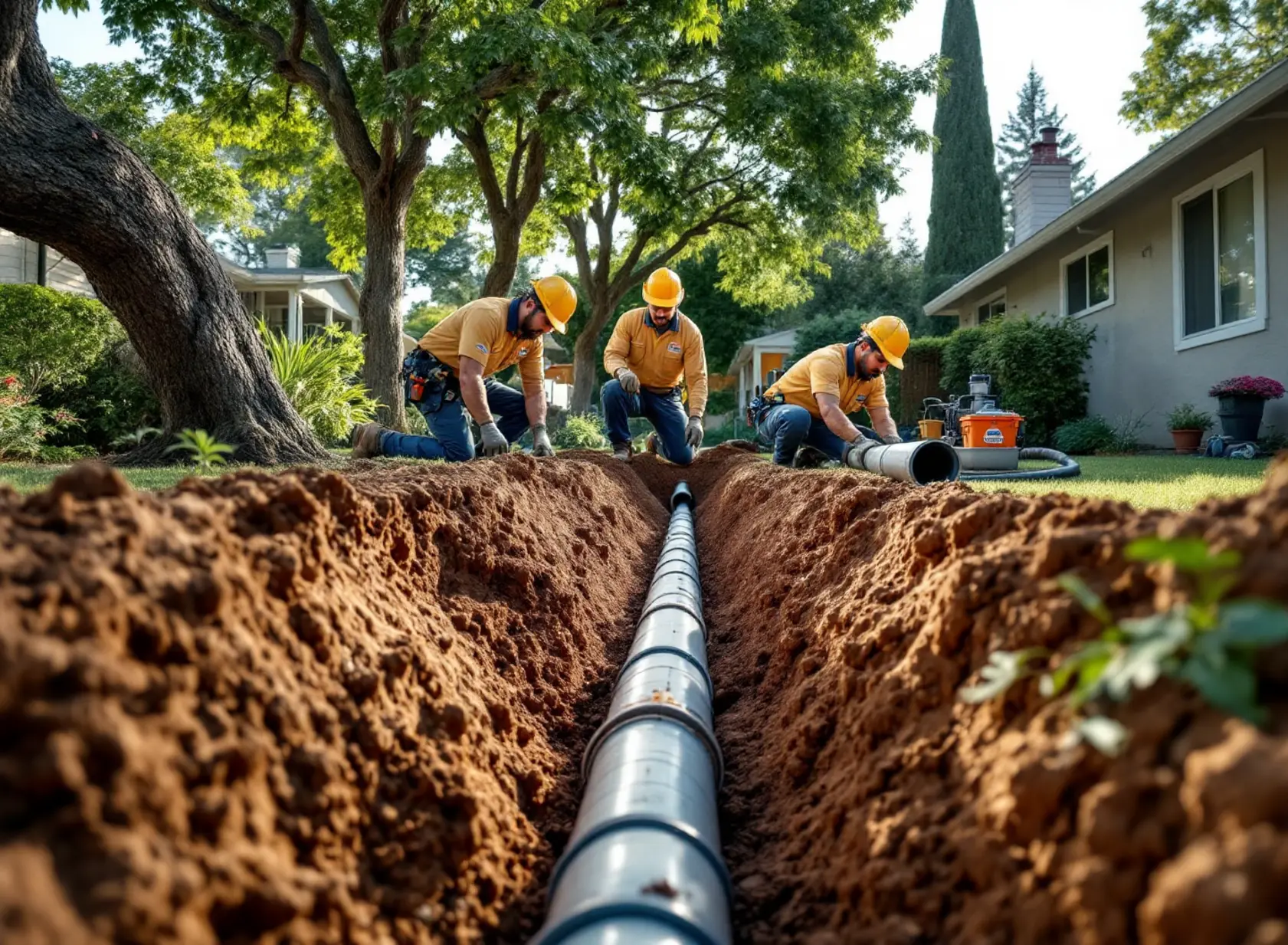

When your Sacramento home’s sewer line starts failing, the right trenchless repair method can mean the difference between a quick fix and decades of reliability. Understanding pipe bursting vs pipe lining is essential for choosing a solution that aligns with your property’s needs, budget, and long-term performance goals.
This guide breaks down how each method performs under local conditions like clay soils, tree root intrusion, and aging infrastructure. You’ll discover how cost, lifespan, and pipe condition influence which approach delivers the best results for your home. Let’s dive into the key takeaways that simplify this choice and help you invest wisely in your property’s plumbing future.
Key Takeaways
- Pipe bursting offers a full sewer pipe replacement with HDPE that lasts 50+ years, doubles typical warranties, and often outperforms lining in Sacramento’s older clay systems.
- Pipe lining (CIPP) is faster and cheaper upfront but slightly reduces pipe diameter and depends on a structurally sound host pipe.
- Sacramento’s shifting clay soils and heavy tree roots make pipe bursting ideal for collapsed, offset, or root-filled lines where lining cannot seat properly.
- Bursting allows upsizing from a 4-inch clay line to a 6-inch HDPE pipe, boosting future flow and reducing clog risks for expanding households.
- Lining works best for intact pipes with minor cracks or corrosion, offering a quick, low-disruption fix that avoids full excavation.
- Always base the pipe bursting vs pipe lining choice on a full camera inspection, soil movement, and long-term value, not just upfront cost.
Don’t Know Where to Start? Here’s What Pipe Bursting and Pipe Lining Actually Mean
What Is Pipe Bursting and Why It Might Be a Lifesaver
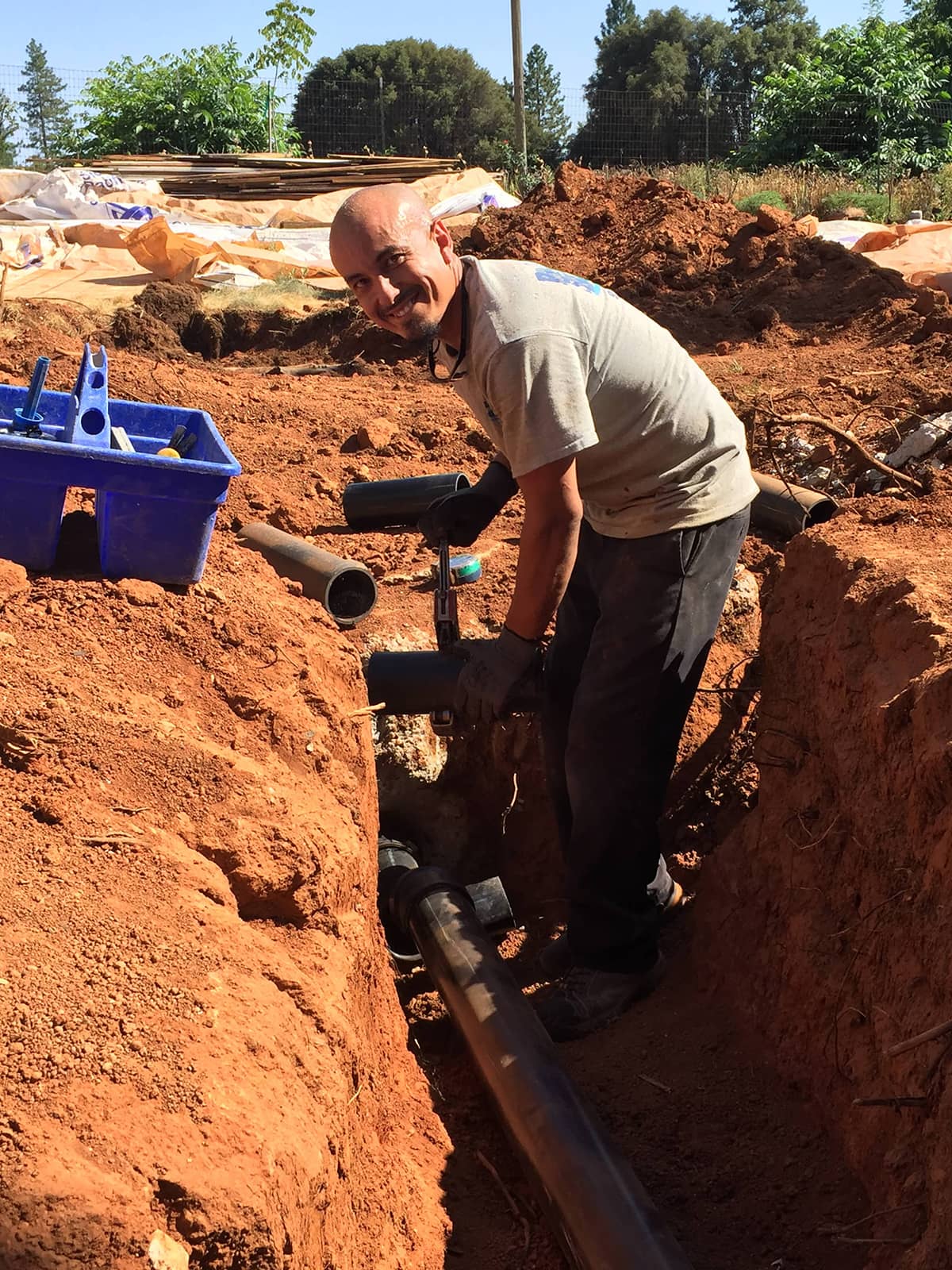
Pipe bursting is a powerful “no-dig” solution for failing sewer lines. Using a cone-shaped bursting head, we fracture your old, damaged pipe while simultaneously pulling a high-density polyethylene (HDPE) replacement into place. The pointed nose of the tool guides the path, while the flared rear cone expands the surrounding soil—allowing us to install a same-size or even larger pipe (upsizing) to improve your home’s flow capacity.
Unlike pipe lining, which requires the host pipe to be structurally intact, pipe bursting is the robust choice for lines that have completely collapsed. The result is a seamless, corrosion-resistant, and root-proof HDPE line that can last up to 100 years. For a technical deep dive into the engineering behind these mechanics, the US Army Corps of Engineers offers detailed guidelines for pipe bursting regarding cone geometry and simultaneous installation.
What Is Pipe Lining (And What CIPP Really Means Behind the Scenes)
Trenchless pipe lining, commonly called CIPP (cured-in-place pipe), inserts a resin-saturated tube into the existing line, inflates it, and cures it to form a new structural “pipe within a pipe.” The convenience is clear: minimal digging, fast turnaround, and a smooth interior that seals cracks and small gaps. But there’s an important trade-off in the pipe bursting vs pipe lining decision. The resin-coated liner has thickness, which slightly reduces the internal diameter after curing. It also depends on the host pipe retaining enough shape for insertion and curing. If you’re exploring CIPP lining Sacramento options, start with our step-by-step explanation of how trenchless pipe lining works and get homeowner context in this guide before your trenchless sewer replacement. For standards-based details on the cured-in-place pipe process and installation controls, see NASSCO’s CIPP installation guidelines. We’ll use these fundamentals as we weigh pipe bursting vs pipe lining in real Sacramento conditions.
Sacramento Soil, Clay Pipes, and Bad Roots: Local Factors You Can’t Ignore
How Sacramento’s Tree-Lined Neighborhoods Affect Sewer Choices
In Midtown and East Sacramento, mature street trees are part of the charm and a top reason sewer lines struggle. Roots chase moisture and nutrients, exploiting tiny gaps at joints in older clay lines, where they thicken over time and snag waste. That’s why tree root damage is one of the most common local triggers for trenchless sewer repair Sacramento homeowners request. When soil shifts or expansive clays deform the host pipe, lining can be off the table because the liner can’t seat properly. In blocks lined with older clay, pipe bursting vs pipe lining often turns on whether the host pipe’s shape is intact. For a deeper dive into early warning signs, see our guide to disaster-proof drain pipe repair. For evidence on how roots enter sewer joints in urban systems and create blockages and damage, see the US Forest Service’s review of root intrusion in sewer systems.
Why Older Homes Often Benefit More from Pipe Bursting
Sacramento’s pre-war and mid-century homes often still rely on clay or cast-iron sewer laterals. These fragile materials can crack under ground movement and are especially vulnerable to root intrusions at every joint. In these cases, upsizing and fully replacing with modern polyethylene through HDPE pipe bursting can restore structural integrity and future-proof the line. Because bursting doesn’t rely on the original pipe’s shape, it’s well-suited for clay pipe repair scenarios where segments have shifted or partially collapsed. And for larger households or plans to add bathrooms, upsizing during sewer line replacement Sacramento projects can improve flow capacity and reduce future backups. If you’re weighing trenchless sewer repair Sacramento options for an older line, here’s how our local team approaches the decision.
Pipe Bursting vs Pipe Lining: Real Cost Comparisons That Matter
What Real Sacramento Homeowners Pay (And Why)
Costs hinge on condition. For minor cracking and leaks in a reasonably round host pipe, CIPP often pencils out lower per foot, while a fully collapsed or severely offset line typically points to bursting. Based on national homeowner data, trenchless lining often ranges around $135-$250 per foot, and pipe bursting frequently falls in the $150-$190 per foot band, with project totals driven by length, depth, access, and reinstating branch connections. Post-job yard restoration is usually minimal for both methods compared to open trenching, though bursting requires small launch and reception pits. For Sacramento-specific planning tips, review this homeowner guide before your trenchless sewer replacement.
Cost comparison snapshot
| Scenario | Typical Better Fit | Sacramento Reality Check | Relative Cost |
|---|---|---|---|
| Minor cracks, intact shape | CIPP lining | Fast cure, minimal digging; slight diameter reduction | Often lower |
| Severe root damage, offsets | Pipe bursting | Full replacement, root-resistant HDPE, option to upsize | Often higher |
| Full collapse | Pipe bursting | Liner can’t bridge a flat-out collapse | Higher upfront, lower rework |
| Landscaping sensitivity | Both | Lining uses access points; bursting uses two small pits | Similar restoration |
Long-Term Costs: Repairs, Warranties, and Hidden Expenses
Short-term savings can disappear if the method doesn’t match the problem. Many municipal and manufacturer specifications cap CIPP warranties in the 5-10 year range; for instance, the Town of Mead requires a 10-year manufacturer warranty for CIPP materials. Replacement-grade HDPE installed through pipe bursting is widely selected for its corrosion resistance and seam-free joints, with industry guidance indicating long service lives when designed and installed properly PE pipe service life guidance. Hidden costs to watch include repeat jetting if the diameter loss from lining tightens bottlenecks, re-excavation for lining failures in deformed pipes, or extra reinstatement costs for many tie-ins. If your system experiences occasional surcharge or unusual loads, confirm the liner is engineered for those conditions and that warranty terms match your risk profile. For homeowners noticing broader aging symptoms beyond the sewer line, here are the signs you may need repiping across the home.
Pros and Cons You Actually Feel Once the Job Is Done
Why Flow Capacity and Diameter Shouldn’t Be Overlooked
Does CIPP Lining Reduce Pipe Diameter?
Yes, by design. CIPP forms a new structural shell inside the host pipe. The resin-coated liner adds thickness that slightly narrows the internal diameter, which can matter in smaller laterals or homes with high simultaneous use. If you want to see the step-by-step process, review how trenchless pipe lining works for details on the resin, curing, and reinstating branch connections. This is one of the practical differences homeowners weigh in pipe bursting vs pipe lining.
Why Pipe Upsizing Is a Game Changer for Older Homes?
Bursting can upsize a 4-inch clay lateral to a larger HDPE if the main connection and local code allow it. That added capacity improves flow, reduces clog risks from paper and wipes, and creates more headroom if you’re adding bathrooms or an accessory dwelling unit. For households battling repeated root blockages, the combination of a smooth HDPE interior and upsizing often proves the best trenchless method for tree root damage Sacramento homeowners can choose.
What Disruption Looks Like in Real Life?
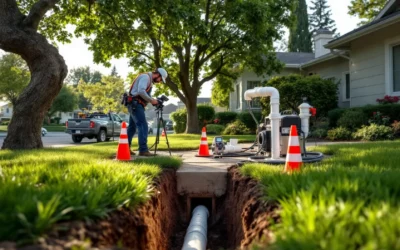
Both options are “no-dig” compared to traditional trenching, but they look different on site. Lining projects typically wrap in 1-2 days with minimal yard disturbance and work primarily through cleanouts or small access points. Bursting projects take a bit longer and require small launch and reception pits in the yard or parking strip. Even so, restoration is far lighter than open-cut replacement. If you want to visualize the process and timeline, see our pipe bursting service overview to understand the step-by-step no-dig pipe replacement approach.
Choosing the Right Fix Based on Pipe Condition
If You Have a Collapsed or Root-Filled Pipe, Read This First
Can Pipe Lining Fix Collapsed Pipes?
No. Lining can’t restore a passage where the host pipe has collapsed or severely deformed; the liner must travel through and inflate against a reasonably round surface. If your camera inspection shows flat-out collapse, the fix isn’t CIPP. This is a pivotal decision point in pipe bursting vs pipe lining for Sacramento homes.
When Pipe Bursting Is the Only Reliable Option?
When the pipe is crushed, offset, or riddled with heavy roots, pipe bursting is the durable path forward. A cone-shaped bursting head breaks apart the failed pipe while pulling in a single-piece polyethylene pipe that resists corrosion and future root intrusion. Learn how we assess and stage bursting on our pipe bursting product page before deciding.
When Minimal Cracking or Corrosion Means Pipe Lining Is Enough?
If your video inspection shows a continuous pipe with minor cracks, small leaks at joints, and modest corrosion, but good overall shape, CIPP can be an efficient choice. If the host pipe is mostly round, then lining can seal defects, stop infiltration, and extend service life without excavation. If the pipe is out of round or badly offset, then lining is risky; choose a different trenchless sewer repair strategy. When you need a fast, clean fix using residential trenchless technology, compare options on our trenchless sewer repair service page and ask for a camera-based condition report first.
Quick Comparison Table: Pipe Bursting vs Pipe Lining at a Glance
| Factor | Pipe Bursting | Pipe Lining (CIPP) |
|---|---|---|
| What it does | Full replacement; can upsize | New pipe within old pipe |
| Best for | Collapses, offsets, heavy roots | Cracks, pinholes, minor leaks |
| Flow impact | Can increase capacity | Slight diameter reduction |
| Surface disruption | Two small pits | Minimal access points |
| Material | Seamless HDPE | Resin-cured liner |
This table highlights the everyday differences homeowners weigh in pipe bursting vs pipe lining.
Your Go-To Checklist: How to Decide Which Method Is Right for You
Personalized Pipe Fix Checklist
Use this quick filter before you request quotes:
- Material type: clay or cast iron with joints every 2-3 feet? Favor replacement-focused trenchless technology if joints leak or shift.
- Root intrusion levels: hair-thin roots at a few joints can be lined; thick mass roots and offsets push you toward bursting.
- Soil softness/movement: expansive or shifting soils that deform your pipe can undermine liners; full sewer pipe rehabilitation with replacement is safer.
- Diameter needs: planning more fixtures or an ADU? Upsizing during bursting protects future flow.
- Access and landscaping: lining minimizes lawn impact; bursting requires two small pits but still avoids full excavation.
- Budget vs longevity: pick immediate savings or invest in longer-term risk reduction; align with your time-in-home horizon.
Questions to Ask Before You Sign a Contract
- What is the warranty on trenchless sewer repair for this method and material, and what voids it?
- Will a camera inspection and recording be provided before and after the job?
- If lining, how much diameter will I lose, and how will you handle reinstating every branch line?
- If bursting, can you upsize my lateral, and will it meet local code and main-tap constraints?
- What is included in the restoration of access pits and hardscape?
- How will you handle permits, utility locates, and inspection scheduling?
- What comparable Sacramento projects have you completed, and can I see the footage?
What Went Wrong: Common Mistakes and How to Avoid Them
The 5 Most Costly Trenchless Errors in Sacramento Homes
- Trying to line a collapsed or severely deformed pipe
- Skipping a full-length camera inspection before deciding
- Choosing only on price instead of condition and long-term risk
- Ignoring root load and soil movement in older clay neighborhoods
- Overlooking future capacity needs when adding fixtures or an ADU
If you’re comparing bids, read this guide before your trenchless sewer replacement to avoid common pitfalls.
Lining Over a Collapsed Pipe? Why That’s a Costly Misstep
Lining needs a reasonably round host pipe to carry, inflate, and cure the resin-coated liner. When the pipe has collapsed, the liner can snag, wrinkle, or fail to cure properly, leading to blockages, rework, or full replacement later. In short, if the camera shows collapse, the smart move in pipe bursting vs pipe lining is to schedule bursting and be done with it.
Expert Tips from Trenchless Plumbing Pros
How Professionals Actually Choose Between Lining and Bursting
Pros start with a video inspection to score structural integrity, deformation, root intrusion, and infiltration. If the host pipe is round with surface-level damage, lining is on the table; if not, bursting wins. They also weigh diameter needs, tie-in complexity, depth, and access for pits. This is why seasoned contractors never decide pipe bursting vs pipe lining without footage, measurements, and a clear map of every branch. For broader plumbing system health checks that influence the choice, review our complete guide to home repiping in Sacramento to align sewer repairs with whole-home priorities.
When to Invest More Upfront for Lasting Peace of Mind
If you plan to stay put, battle recurring roots, or want extra flow capacity for remodels, investing in bursting upfront often pays off in fewer service calls and better long-run value. For repeated root blockages, it’s commonly the best trenchless method for tree root damage Sacramento homeowners can choose, especially when upsizing is feasible.
Shareable Insights: What Every Neighbor Should Know
Before and After Stories Worth Sharing
- Midtown bungalow: A 1940s clay lateral had roots every 3 feet and an offset near the sidewalk. Lining wasn’t viable due to deformation, so bursting replaced it end to end with HDPE and upsized the line. The result: restored flow, no root returns, and minimal lawn touch-up. This is where pipe bursting vs pipe lining isn’t a tough call. Bursting simply fits the condition.
- East Sacramento cottage: The host pipe was continuous with small cracks and light roots. A single-day CIPP install sealed joints, reinstated branch lines, and restored smooth flow with almost no yard disturbance.
“No Dig” Doesn’t Mean “No Planning”: Why Timing Matters
Permitting lead times, utility locates, and inspection windows can affect start dates, especially before heavy winter rains. Seasonal groundwater and rain events can complicate curing schedules and site access. Build in a little buffer so your project lands during a stable weather window, and make sure your contractor handles all permits and inspections for trenchless sewer line replacement without digging up yard areas unnecessarily.
Final Thought: Your Yard and Your Wallet Will Thank You
Match the method to the condition, not the ad copy. If the host pipe is intact and round, lining can be fast and cost-effective; if it’s deformed, root-riddled, or collapsed, bursting delivers a clean slate, better flow, and fewer surprises. Use your camera inspection, local soil and tree realities, and warranty terms to decide, and you’ll win the long game in pipe bursting vs pipe lining.
Making the Smart Choice for Your Sacramento Home
Your sewer line issues don’t have to mean tearing up your yard or draining your savings. By understanding the real differences in pipe bursting vs pipe lining, Sacramento homeowners can match the solution to their home’s condition, soil, and long-term plans. A careful camera inspection, awareness of root damage, and clarity on warranty coverage can make the difference between a temporary fix and a decades-long solution. The city’s aging clay and cast iron systems demand smart, condition-based choices, not guesswork. So before you sign a contract, use this insight to ask the right questions, confirm compatibility, and invest in lasting value. The right trenchless sewer repair not only restores flow but also preserves your property, giving you confidence that your underground system is finally built to last.