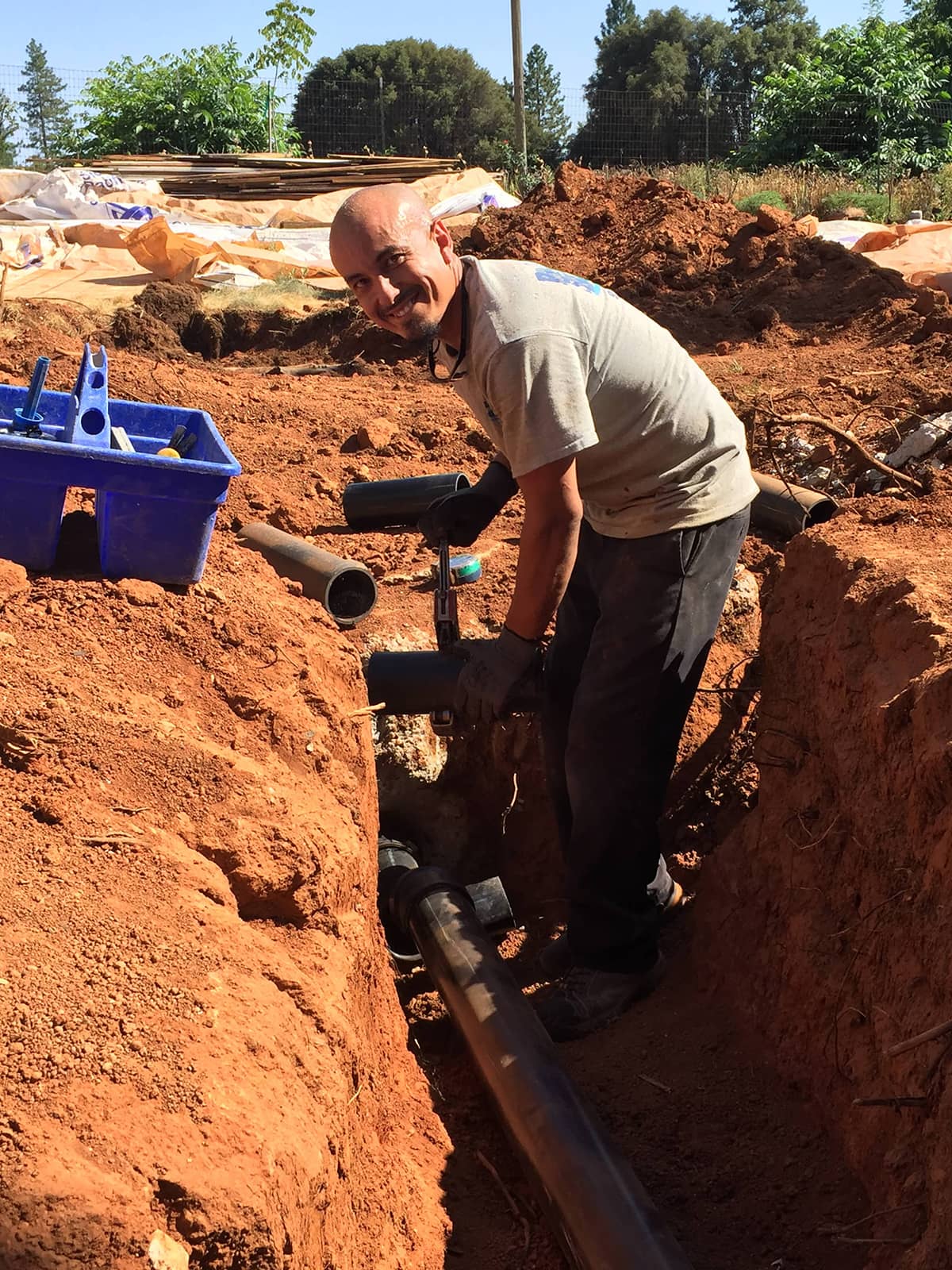


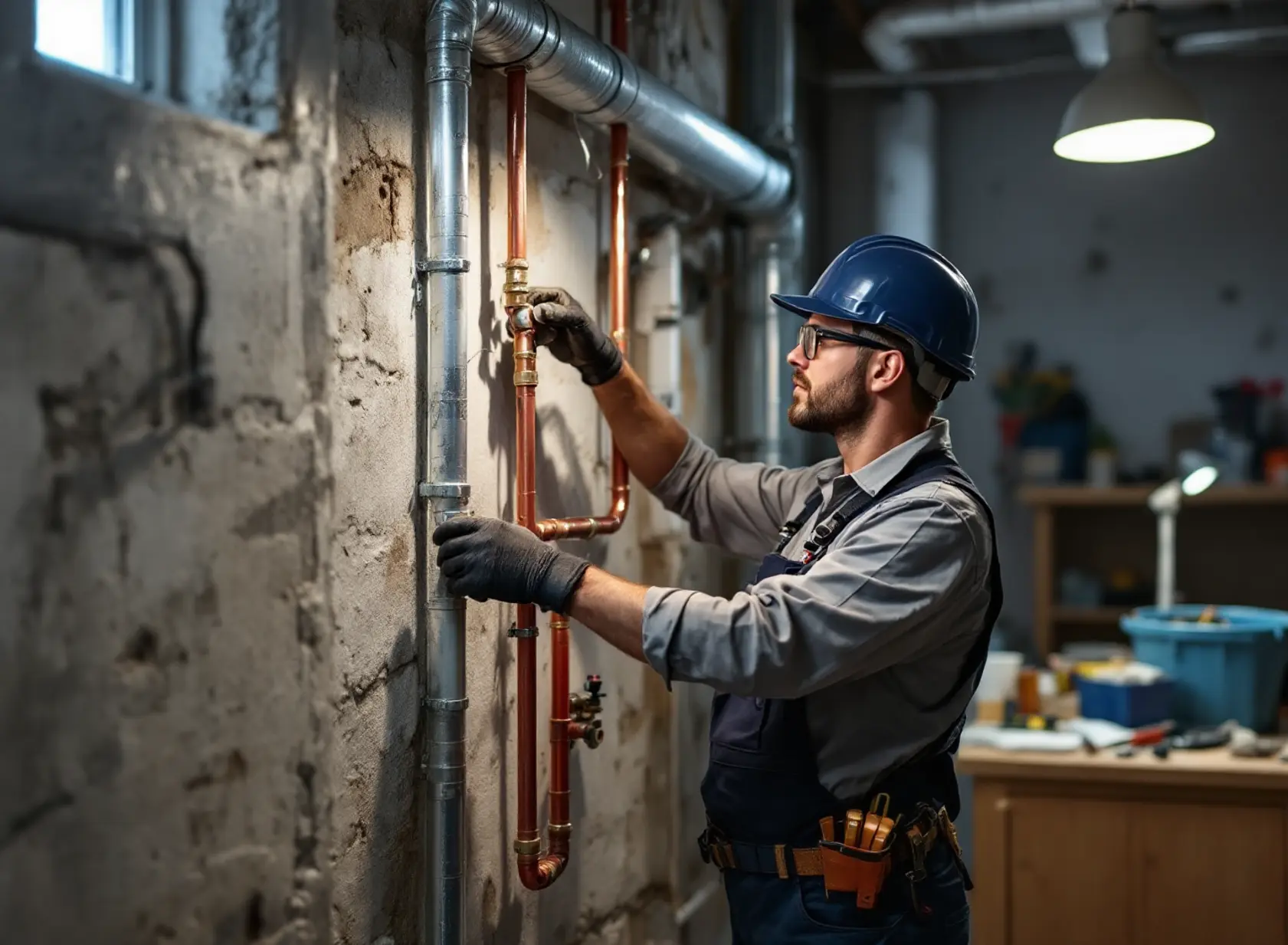

Finishing a basement is one of the most rewarding home upgrades, but skipping essential plumbing improvements can lead to costly setbacks later. Basement repiping gives Sacramento homeowners the opportunity to replace aging water supply lines, improve water pressure, and prevent hidden leaks before walls and floors are sealed for good.
This guide outlines the crucial steps to plan your basement plumbing repiping project efficiently, from evaluating the existing plumbing system to selecting durable materials suited for Sacramento’s water chemistry and soil conditions. These insights will help you save time, protect your investment, and ensure your finished basement remains dry, code-compliant, and dependable for years to come.
Key Takeaways
- Schedule basement repiping before finishing walls or floors to prevent costly tear-outs and hidden water damage.
- Start with a full plumbing inspection to uncover corrosion, leaks, or undersized lines that could compromise your remodel.
- Choose PEX, copper, or CPVC pipes based on Sacramento’s water quality, budget, and long-term performance needs.
- Ensure compliance with Sacramento plumbing codes to pass inspections smoothly and protect resale value.
- Coordinate repiping during the rough-in stage for streamlined routing, pressure testing, and minimal disruption.
- Hire a licensed Sacramento plumber for dependable installation, regulatory adherence, and lasting water system performance.
Guide to Basement Repiping for Sacramento Homeowners
Basement repiping means replacing outdated or leaking water lines before you close up walls, add flooring, or install finishes. For Sacramento homeowners, this plumbing upgrade protects your remodel from future leaks, guarantees code compliance, and ensures properly sized water lines for new bathrooms, laundry rooms, or wet bars. Completed at the right time, basement repiping prevents expensive tear-backs and supports reliable Sacramento plumbing solutions throughout the entire home. Think of it as a foundational investment: evaluate your current pipes, choose the right materials, plan sequencing, and verify results before drywall and trim go in.
Why Basement Repiping Deserves Your Attention
Basement repiping is one of the few renovations that can actually lower the overall cost of a remodel. Old galvanized or thinning copper pipes can develop pinholes, stain new drywall, and contaminate new finishes. Replacing water lines first prevents costly surprises and avoids reopening completed spaces. Sacramento’s treated water supply is regularly monitored for hardness, pH, and disinfection type, all of which influence scaling and corrosion over time. Insights on water chemistry are available in the official City of Sacramento water quality report. Early action on basement pipe replacement keeps your project on schedule and safeguards plumbing performance for the long term.
Hidden Problems Beneath the Surface
Before framing or flooring begins, hidden corrosion, undersized pipes, and brittle fittings can threaten your schedule. Detecting these issues early enables you to plan repiping your basement alongside framing and electrical work for minimal disruption. Watch for rust-colored water after standby periods, low pressure across multiple fixtures, and signs of water damage on joists. Those are cues to evaluate your plumbing system before basement renovation thoroughly, not just patch visible issues. By investing in strategic pipe replacement now, you preserve your budget for the visible finishes that complete your remodel.
The Sacramento Advantage: Why Timing Matters
Local water conditions and construction timing influence your costs. Disinfectants, hardness, and pH affect scaling and corrosion rates, so addressing weak points during a remodel offers a high ROI. Aligning basement repiping with rough-in stages lets your contractor route efficient water manifolds, install shutoff valves, and perform pressure tests before finishes. That proactive Sacramento plumbing mindset—prioritize infrastructure before aesthetics—prevents emergency repairs later and reduces change orders. If you’re adding a bath or laundry, upgrading supply lines during renovation ensures capacity for modern water demand and consistent performance.
Step One: Evaluate Before You Renovate
Start with a structured plumbing inspection. Do a DIY assessment, then follow up with a licensed professional for confirmation.
- DIY checks: Run both hot and cold water at multiple fixtures and note any brown or metallic-tasting water, which can reveal internal corrosion. Watch for slow-to-clear discoloration and inspect exposed pipes for green or white buildup, past clamp repairs, and damp framing. Check overall water pressure; widespread dips across fixtures highlight systemic issues rather than isolated valve problems.
- Professional assessment: A certified Sacramento plumber will identify pipe materials (galvanized, copper, PEX, CPVC), measure static and dynamic pressure, verify sizing, and highlight code compliance issues. They can advise on corrosion control strategies and recommend testing for lead and copper if your home predates 1986 in alignment with the EPA Lead and Copper Rule guidance.
- Focus on basements: Utility rooms house water heaters, shut-off valves, and trunk lines, making basement repiping the logical first phase of your remodel.
If you find multiple warning signs, review this guide on signs you need repiping in Sacramento to understand when full pipe replacement is necessary.
Choosing the Right Materials for Sacramento Homes
The correct piping material depends on budget, Sacramento water chemistry, and how you plan to use the remodeled basement.
- PEX: Flexible, quick to install, and resistant to mineral buildup. PEX suits manifold systems, reducing joints in tight basement layouts. Choose chlorine-resistant PEX with appropriate temperature and pressure ratings for domestic hot water recirculation if applicable.
- Copper: Renowned for durability and temperature tolerance when water chemistry supports it. Requires careful soldering to avoid pinholes, especially with low-pH or corrosive water. Expect higher installation costs than PEX.
- CPVC: Performs well for hot and cold water, remains stable under chlorinated conditions, and is cost-effective. It’s more rigid than PEX, so ensure proper protection where exposed to shifting or impacts.
Match materials to goals: PEX for adaptability and speed, copper for long-term durability, and CPVC for cost balance. For detailed recommendations, see our professional repiping services in Sacramento.
PEX Piping: The Modern Standard
PEX excels in basements because its flexibility allows quicker runs around joists and obstacles, reducing fittings and potential leak points. It resists scale, operates quietly, and supports manifold systems that isolate zones. For guidance on how to repipe a basement with PEX, prioritize chlorine-rated materials per manufacturer guidelines, apply bend supports to maintain radius integrity, and transition properly to metal fittings at fixtures. Research shows some PEX products may temporarily release trace organics that fade over time—understanding brand differences ensures clear expectations Water Research study of PEX plumbing and water quality.
Copper & CPVC: When Premium Makes Sense
Copper remains a premium plumbing choice for high-heat areas and longevity, especially for boiler loops or recirculation systems. Performance depends on water chemistry: pH, alkalinity, and disinfectant residuals directly affect corrosion risk. CPVC provides chemical stability and robust solvent-weld joints, making it a dependable option in stable environments. For Sacramento homeowners focused on plumbing durability, align material selection with actual water quality data and proven installation best practices supported by Journal AWWA research on copper corrosion.
Planning Your Basement Repiping Project the Smart Way
Timing is critical. Schedule basement repiping during the rough-in window—after demolition and layout, before insulation or drywall. Coordinate with other trades like electrical and HVAC to maintain clean pathways. If you plan to line or replace underground drains, synchronize this with water supply upgrades to reduce inspection delays. Understanding how trenchless pipe lining works can help align related wastewater or drainage tasks.
Checklist: smart sequencing for a successful basement repipe
- Map fixture locations: baths, laundry, sinks, bars
- Identify trunk routes and manifold placement with shutoffs
- Confirm pipe sizes for multi-fixture demand
- Protect penetrations in concrete or masonry
- Plan accessible isolation valves
- Schedule full-system pressure testing before finishes
- Document work for inspection approvals
The Repiping Process: Step-by-Step Breakdown
Transparent steps protect timelines and quality. A standard basement repiping process includes:
- Preparation: Safeguard flooring, mark framing paths, shut down the main supply, and drain lines.
- Demo and access: Remove old piping and open limited access points as needed. Label hot and cold branches clearly.
- Installation: Pull new PEX, copper, or CPVC along planned paths, ensuring spacing, supports, and protection from electrical contact.
- Transitions: Connect new pipes to existing risers using approved fittings; consider adding pressure-reducing valves or new shutoffs.
- Testing: Cap and pressurize the line per specifications. Fix any leaks before enclosure.
- Commissioning: Flush debris, remove trapped air, and verify hot/cold operation. Photograph final configuration before wall closure.
If you’re combining this with drain repair, review scheduling details in how trenchless pipe lining works.
Pre-Project Preparation
A meticulous start ensures success. Build a pre-repiping checklist including clearing 3–4 feet around mechanicals, labeling shutoffs, protecting finished floors, scheduling water-off windows, confirming materials, and ordering fittings early. Document existing conditions and review permit steps with your contractor to align expectations before repiping your basement begins.
Repiping and Post-Work Checks
During installation, monitor support spacing and proper protection from fasteners. After rough-in, your plumber performs system pressure testing, documents results, and repairs any weeps before insulation. Once complete, purge the system until clear and test all fixtures. For Sacramento homes, ensure compliance with anti-scald protection and current safety codes. Finish with an updated shutoff map and maintenance notes for easy future servicing.
Realistic Budgeting: What Basement Repiping Costs in Sacramento
Costs depend on materials, fixture count, accessibility, and timing within your remodel. PEX usually provides efficiency, while copper costs more due to labor and raw material pricing. National benchmarks help set expectations national repiping cost ranges, but regional conditions and scope ultimately guide pricing. Coordinating basement repiping during open-wall phases helps reduce rework and inspection fees.
Budget snapshot for planning
- Scope: 1–2 basement baths or laundry areas, open framing, standard ceilings
- Key drivers: pipe material, fixture load, reroute complexity, and inspection frequency
Comparative tiers
- Budget: PEX, minimal reroutes, open-access ceilings, basic shutoffs
- Mid-range: Combination of PEX and copper with added valves or PRVs
- Premium: Full copper, recirculation-ready hot water, noise control systems
For detailed insights, review our complete guide to home repiping in Sacramento.
Don’t Fall for These Common Repiping Mistakes
- Waiting until post-finish: Leads to demolition and costly delays. Prioritize open-wall stages.
- Mixing dissimilar metals: Causes corrosion; always use dielectric unions.
- Skipping full pressure testing: Hidden leaks can cause serious long-term damage.
- Undersizing: Additional fixtures may require larger trunks to avoid pressure drops.
- Overlooking water chemistry: Select materials compatible with local hardness and chlorine levels. Reference the City of Sacramento water quality report.
- Missing isolation valves: Without shutoffs, future maintenance becomes disruptive and pricey.
How to Find the Right Sacramento Plumbing Partner
The right contractor protects your schedule and ensures quality basement repiping. Vet by local expertise rather than just cost.
Contractor vetting checklist
- Confirm licensing, insurance, and certifications
- Seek local Sacramento plumbing experience with basements
- Request references and photos from similar projects
- Demand clear scope details, including pipe materials and test pressures
- Clarify permit responsibilities and inspection stages
- Assign clear communication channels and contingency plans
- Verify warranty coverage for materials and workmanship
For estimates and available timelines, see our repiping services in Sacramento.
Maximizing Value After Repiping
Protect your new basement plumbing system with proactive maintenance. Check shutoffs and visible joints each season. Flush unused fixtures monthly to prevent stagnation. If your basement includes lower-grade plumbing, test backflow prevention devices. Pair reliable basement repiping with effective sump pump systems for moisture control—learn about reliable sump pump solutions that include alarms and battery backups. This simple routine preserves water quality, minimizes wear, and enhances your home’s long-term value.
Expert Insights and Final Tips from Sacramento Plumbers
- Inspect thoroughly before remodeling. Align pipe materials and installation methods with Sacramento’s water characteristics described in the City of Sacramento Consumer Confidence Report.
- Choose materials strategically: PEX for flexibility, copper for heat endurance, CPVC for affordability. Reference evidence from the Water Research study of PEX plumbing and water quality, and Journal AWWA copper corrosion research.
- Execute with accuracy: Schedule repiping at rough-in, pressure test thoroughly, flush systems, and fully document for inspection. Follow [EPA Lead and Copper Rule guidance](https://www.epa.gov/dwreginfo/lead-and-copper-rule) for older plumbing.
By following the path—inspect, plan, repipe, review—you’ll confidently finish your basement, protect upgrades, and enjoy lasting performance from a right-sized, code-compliant plumbing system built for Sacramento conditions.
Building Confidence Beneath the Surface
Finishing a basement is one of the most rewarding home enhancement projects, but lasting success depends on the unseen plumbing infrastructure. Prioritizing basement repiping ensures reliable water delivery, safeguards finishes, and prevents future disruptions. For Sacramento homeowners, this is both a preventive and value-building measure that enhances property reliability and water quality. Acting before walls close modernizes your basement plumbing system, aligns with current codes, and adds real value. If you’re planning a remodel, use this opportunity to evaluate your home’s water lines and partner with a trusted Sacramento plumbing professional. A thoughtful repiping plan is the foundation for a basement that stays dry, efficient, and worry-free for years to come.
FAQs About Basement Repiping in Sacramento
When should I repipe my basement?
You should consider basement repiping if your plumbing is 25 years or older, showing leaks, corrosion, or low pressure. A thorough plumbing inspection before finishing helps avoid demolition later. Experts recommend repiping Sacramento homes during renovation for easier access and verified code compliance.
How do I choose the right pipes?
The ideal pipes for basement repiping depend on your water quality, budget, and longevity goals. PEX piping is flexible and corrosion-resistant, while copper offers proven durability. Always use materials meeting Sacramento plumbing code standards and ensure licensed professional installation.
What are the benefits of repiping now vs. later?
Repiping before finishing saves significant repair and labor costs by avoiding post-renovation tear-outs. It improves water flow, reduces leak risk, and extends plumbing lifespan. Sacramento homeowners find proactive pipe replacement before basement finishing provides peace of mind and uninterrupted performance.